How we wrap your Tesla.Every step matters.
A professional wrap isn’t simply putting vinyl on a car. It’s a controlled process: documentation, preparation, precision installation, finishing, inspection and delivery.
Seven stages.
01Vehicle intake
First, we get to know the vehicle.
We don’t treat every vehicle as identical, because they aren’t. Before anything is ordered or scheduled we build a picture of the specific car and the specific project.
- Tesla model and model year
- Current color and finish
- Vehicle condition
- Existing modifications
- Existing damage
- Previous repairs, where disclosed
- Desired wrap, material, finish and design
- Project scope
Recorded in: Vehicle Intake
02Condition documentation
Before we transform it, we document where we started.
Your vehicle is photographed and its condition recorded before any work begins, and you review that record. It protects you and it protects us.
- Vehicle photographed
- Existing condition documented
- Visible damage identified
- Areas needing special attention recorded
- Any planned component removal noted
- Customer reviews and acknowledges the condition record
Documentation is a record of what we both saw at intake. We won’t claim it forecloses every possible disagreement — only that neither of us is guessing.
Recorded in: Vehicle Intake & Condition Documentation
03Preparation
Preparation is part of the install.
Film only behaves as well as the surface underneath it. What preparation a vehicle needs depends on what condition it arrives in.
- Cleaning
- Surface preparation
- Contaminant removal
- Inspection
- Identifying difficult areas
- Reviewing edges and contours
- Confirming material and approved scope
Not every vehicle receives identical preparation. It depends on actual condition and project requirements.
04Installation
Now the transformation begins.
Vinyl is not stuck onto a car. It is positioned, heated, worked into contours, trimmed and finished — panel by panel, by hand.
- Professional automotive vinyl
- Precision positioning
- Appropriate hand tools
- Professional heat equipment
- Controlled application
- Careful trimming
- Edge finishing
- Seam management
- Contour management
Recorded in: Installation
05Finishing
Installation isn’t finished when the film is on. It’s finished when the details are right.
The finishing pass is where an install either holds up or doesn’t — the edges, the corners, the places a hand goes every day.
- Edges and seams
- Corners
- Handles
- Mirrors
- Bumpers
- Curves and complex contours
- Trim areas
- Panel transitions
- Post-heating
- Final trimming
06Quality control
Before you get the keys back, we inspect the work.
Inspection is a stage of the project, not a favor. If it doesn’t pass, the vehicle doesn’t leave as finished.
- Film reviewed against the checklist below
- Vehicle condition reviewed against the intake record
- Scope confirmed complete
- Exceptions documented
This is a visual and functional inspection of our work. It is not a comprehensive mechanical or electronic diagnostic, and we won’t describe it as one.
Recorded in: Quality Management System
07Customer delivery
Then we show you the finished transformation.
We walk the vehicle with you, against the record we made at intake, and you tell us whether it’s right.
- Final walk-through
- Completed scope reviewed
- Vehicle condition reviewed
- Customer acceptance recorded
- Payment status confirmed
- Project completion workflow begins
Recorded in: Customer Experience
One vehicle.One install.All our attention.
We treat a vehicle as a complete project rather than another car in a queue. That is how the work is scheduled and how the studio runs.
Right vehicle. Right project. Right material.
Before installation starts we confirm what is about to go on the car — against the project, not against memory.
- Vehicle
- Project
- Film brand
- Film product
- Color
- Finish
- Approved scope
Material ordered — material selection locked.
Once your material is ordered, the selection is locked for the project. Any change after that follows the authorized change process, with a record of who approved it.
If the material doesn’t match the project, we stop, document it and escalate it. We don’t substitute silently.
Colors and finishes look different on different screens. Final material availability and appearance are confirmed during project review.
We minimize unnecessary disassembly.
We don’t take your Tesla apart to wrap it. We minimize unnecessary component removal, and when limited removal or loosening is appropriate for installation or finishing, we’ll tell you before we proceed.
No surprise disassembly.
If something needs to come off your vehicle for your project, we want you to know before it happens.
- Exterior trim
- Badges and emblems
- Certain removable moldings
- Handles or handle components, where appropriate
- Mirrors or mirror components, where appropriate
- Exterior lights or components, where appropriate
- Cameras or camera-related trim, where appropriate
- Sensors or sensor-related trim, where appropriate
- Other removable exterior components
This is not a list of what happens to every vehicle. The actual approach depends on the model, year, configuration, existing condition, wrap design, film, installation requirements, access, safety and professional judgment.
Teslas aren’t all the same.
Model to model, the panels, contours, trim and access are genuinely different — which is why the approach is decided per vehicle rather than applied from a template.
- Body geometry
- Panel shapes
- Contours
- Trim
- Cameras
- Sensors
- Handles
- Mirrors
- Surface condition
- Installation access
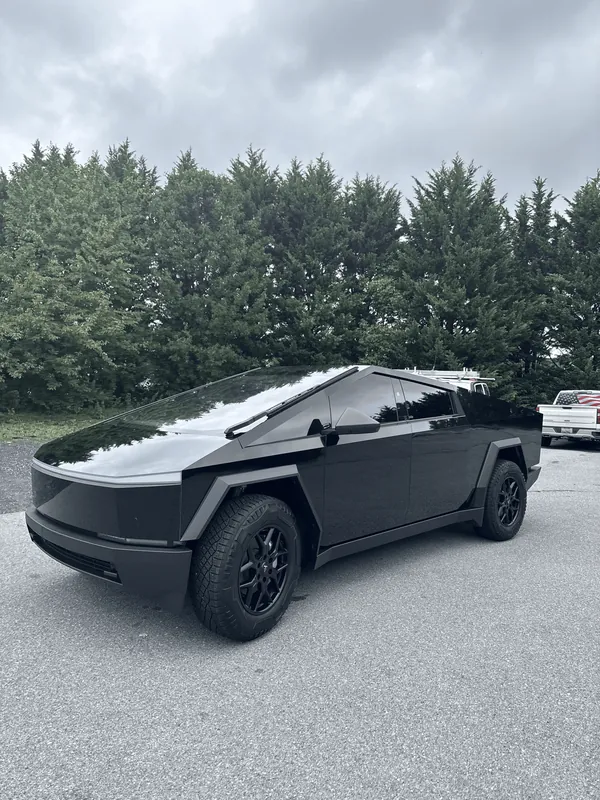
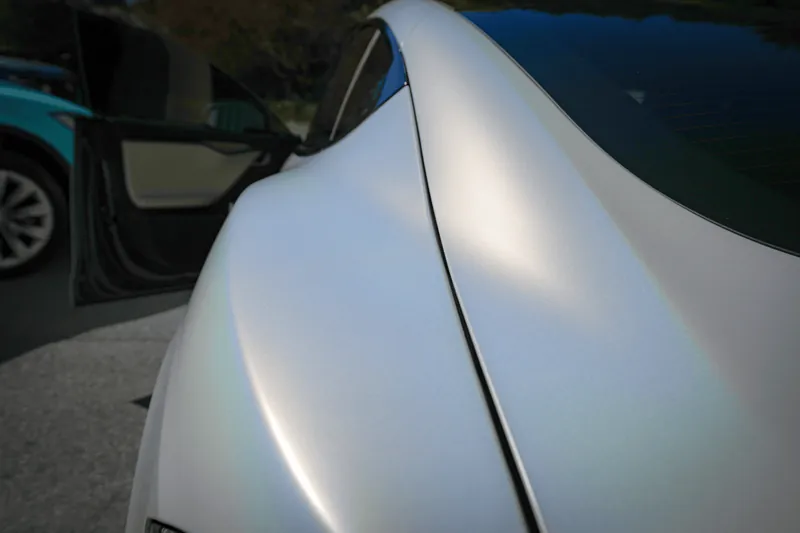
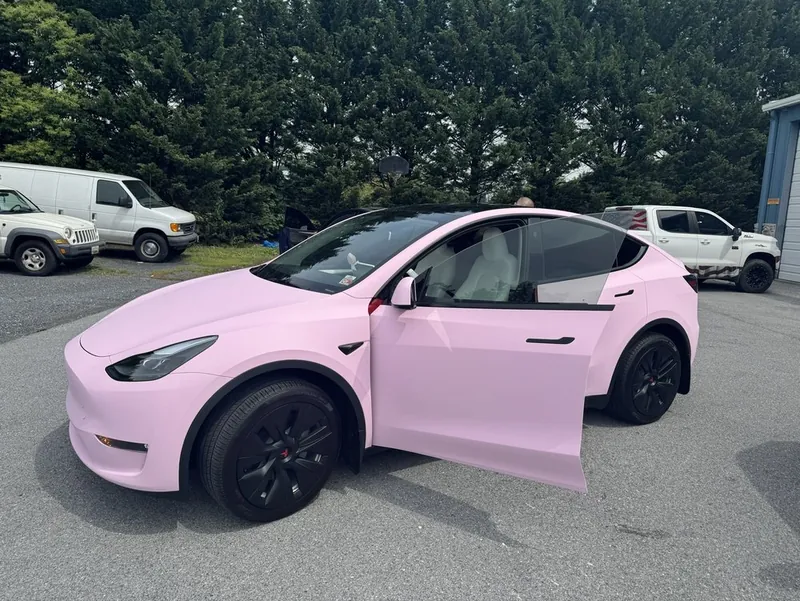
Before you get the keys back, we inspect the work.
Film
- Alignment
- Coverage
- Visible defects
- Wrinkles
- Bubbles
- Edge finish
- Seam finish
- Contours
- Adhesion concerns
- Post-heating and finishing
Vehicle
- Relevant components accounted for
- Trim properly seated where applicable
- Cameras and sensors not visibly obstructed
- No obvious installation-related concerns
- Condition reviewed against the intake record
Project
- Scope completed
- Material matches the project
- Required work completed
- Exceptions documented
- Delivery requirements satisfied
This is a visual and functional inspection of our own work — not a comprehensive mechanical or electronic diagnostic.
If something isn’t right, the vehicle doesn’t go out.
A significant issue found at inspection puts the project on quality hold. It is corrected and reinspected before delivery — a deadline is not a reason to hand back work we wouldn’t accept ourselves.
- Quality hold
- Correct
- Reinspect
- Customer delivery
If a warning indicator or technical issue appears, we stop, document it, and escalate it for review — and refer it to an appropriately qualified provider when that is the right answer.
Before, during, after.
Real SpaceShip projects coming soon.
We’d rather show you nothing than show you someone else’s work, or a rendering, and call it ours.
How long does it take?
There is no single answer that is honest for every project, so we don’t publish one. You get a requested date, a confirmed date and an estimated duration for your specific vehicle.
- Requested date
- Confirmed date
- Estimated duration
Duration depends on: tesla model, vehicle condition, material, scope, design, preparation, installation complexity, finishing, quality control.
Where your project is.
- Project review
- Agreement
- Deposit
- Material ordered
- Material locked
- Scheduled
- Installation
- Quality control
- Ready for delivery
Your payment status is tracked separately — a project can be paid in full and still be at “Scheduled”.
You’ll hear from us at the points that matter.
Short updates at real milestones — not a notification for every touch of the car.
- Your vehicle has arrived.
- Installation has begun.
- Your vehicle is in finishing and quality control.
- Your vehicle is ready for delivery.
At our studio.
New Jersey is the flagship studio. Our Northern Virginia studio in Ashburn is private and appointment-only — no walk-ins, no public address, and access details are shared once your project is confirmed.
Or in your garage.
At-home installation is available only at qualifying owner-occupied or customer-owned single-family properties. You must own the property where the installation will take place.
- Fully enclosed garage
- Enough space to safely work around the entire vehicle
- Clean and suitable installation environment
- Adequate lighting
- Access to electrical power
- Garage temperature maintained at 70°F or higher during installation
- Protection from rain, wind, dust and direct outdoor exposure
- Safe vehicle access and working conditions
Approval is project-specific — there’s no universal at-home price. More on at-home installation.
We don’t try to be everything.
We’re not painting your Tesla — we’re transforming its surface with film. And we don’t provide standard mechanical, body, paint or high-voltage services.
- No spray painting
- No paint booth
- No body-shop painting
- No engine work
- No mechanical repair
- No oil changes
- No brake work
- No tire service
- No opening battery packs
- No disconnecting high-voltage systems
- No high-voltage repair
We don’t just wrap it.We document it.We prep it.We install it.We finish it.We inspect it.Then we hand it back to you.
Ready to transform your Tesla?Tesla wraps start at $6,000.
Final pricing is customized based on vehicle, material, condition, design, scope, installation requirements and other project-specific factors.